



As digital technologies continue to shape economies, governance systems, livelihoods, and everyday life, an important question remains at the heart of our collective journey: who truly benefits from digital transformation, and who continues to remain at its margins?
This edition of the newsletter brings together stories, reflections, and conversations that explore the many dimensions of digital inclusion, from access and infrastructure to entrepreneurship, government entitlements, sustainability, and community empowerment. Across diverse geographies and contexts, the stories in this issue remind us that technology becomes meaningful only when it strengthens human capability, dignity, and opportunity.
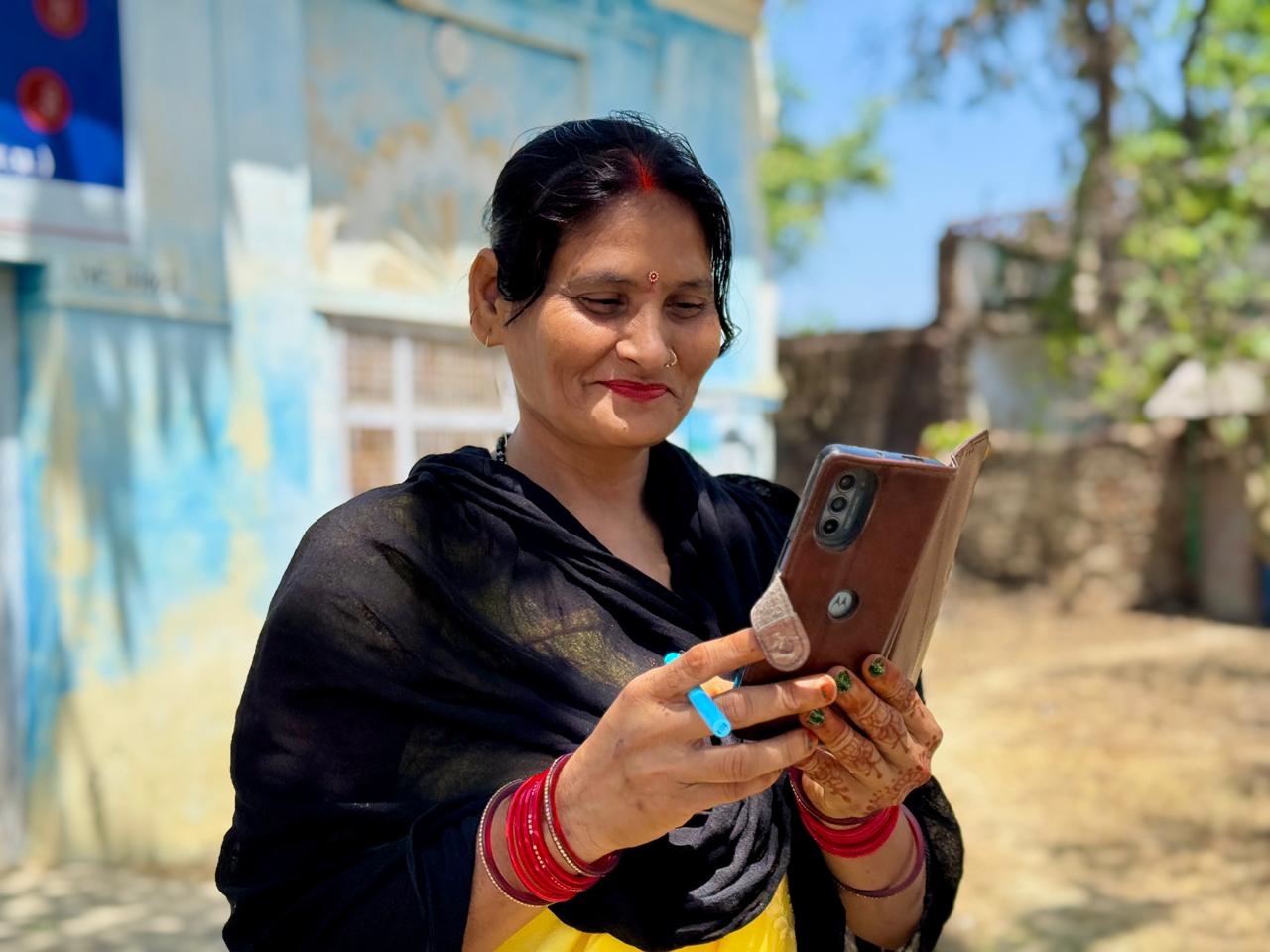
From rural women entrepreneurs in West Bengal and Madhya Pradesh using digital tools to expand their enterprises and access institutional recognition, to grassroots leaders building trust through community-centered digital services, these narratives highlight how local action and digital empowerment can create pathways toward economic resilience and social inclusion.
At the same time, this edition also turns attention toward larger structural questions surrounding the future of digital development. The launch of Just AI, Just Land examines the socio-environmental implications of expanding data center infrastructure in Telangana, urging us to rethink technological progress through the lens of justice, sustainability, and community participation. As conversations around AI and digital economies accelerate globally, it becomes increasingly important to ensure that local voices and lived realities remain central to policy and infrastructure decisions.
The issue further reflects on these evolving realities through the dialogue convened for World Telecommunication and Information Society Day 2026 under the theme “From Connectivity to Capability: Building Inclusive Digital Societies.” Moving beyond access alone, the conversation emphasizes the need to build digital ecosystems that enable participation, agency, entrepreneurship, and equitable opportunity for all sections of society.
Collectively, the stories and discussions featured in this edition underline a shared message: digital inclusion is not simply about connecting people to technology, but about ensuring that technology contributes meaningfully to more just, inclusive, and sustainable societies.
We hope this edition encourages deeper reflection, dialogue, and action toward building digital futures that are rooted in community needs, social equity, and human-centered development.