“Wow, that’s such a beautiful saree!”
“Oh my God, where did you get that shirt? The print is so elegant!”
“I bet that mat has a beautiful story behind it, what is it?”
“That cup is so beautiful! Where did you find that?”
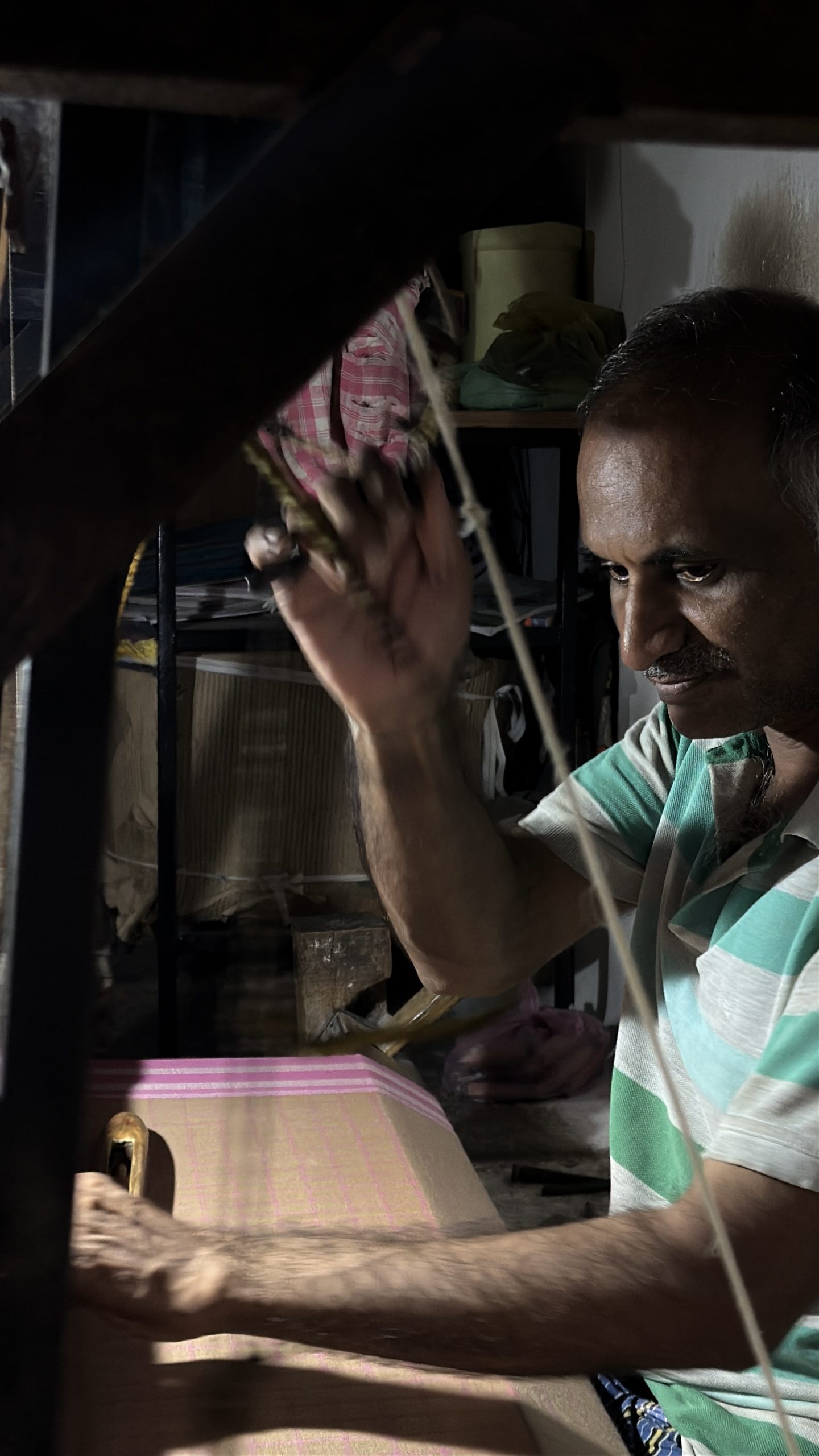
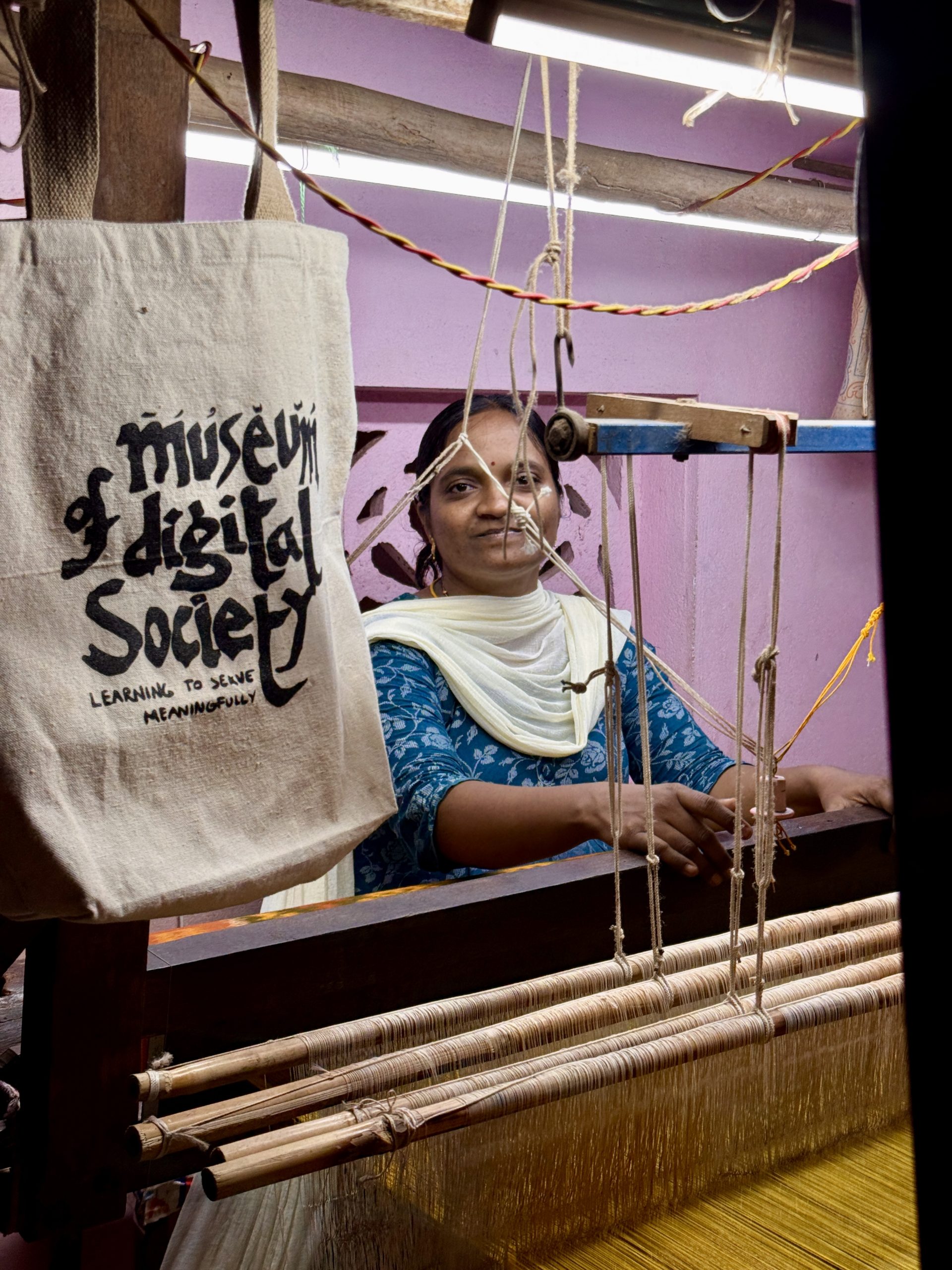
I’ve heard these questions either directed to me or to people around me for many years, the answer oftentimes has been- “it is from a craft cluster in a rural area. We got it from the artisan who makes it, they have been doing it since generations.”
I find myself feeling proud of this answer. Wearing India’s culture is not just a fashion choice but a conscious way of expression for me. I want to be able to tell the story of what I wear. I want more people to be curious about it, ask me and I want to share this small piece of heritage and culture with them.
While I am proud of what I wear, the artisan is not as proud of what she/he produces.
“This is painstaking work- I don’t want my children to do it, it hardly pays.”
“There is no respect in this, this is just like any other form of labour and in these times labour work is not appreciated, office work is considered more respectable.”
“My children have moved to the city and are working in offices, I am proud of them. I have given them education and they are now doing well for themselves.”
If the artisan is not proud of their work, why do we feel proud of it?
For us, their work signifies indigenous knowledge, culture, heritage, tradition and Swaraj.
For many artisans it signifies indignity, poverty, disrespect, exclusion, exploitation and despair.
Through the Digital Artisans of India Awards we are recognising artisans who are leveraging digital tools to promote their craft, culture and tradition. In the digital era, these artisans are navigating the gap between emerging technologies and traditional techniques.
Join us at the Digital Artisans of India Award Gala on the 9th and 10th of December – https://daoiawards.defindia.org.
Written by Abner Manzar
Photo Gallery