



© ChakraView by Osama Manzar
The Digital Empowerment Foundation (DEF) submitted a detailed civil society response to the United Nations Global Dialogue on AI Governance, emphasizing that AI governance frameworks must center the realities of the unconnected, underserved, and underrepresented communities of the Global South.
Drawing from over two decades of grassroots digital inclusion work across India, DEF’s submission argues that AI governance cannot remain confined to governments, corporations, and technical elites. Instead, it must become participatory, multilingual, rights-based, and rooted in lived realities.
The submission highlights urgent priorities including:
- preventing a widening “AI divide” through equitable access to infrastructure, datasets, and AI literacy;
- embedding international human rights principles into AI governance;
- addressing algorithmic harms affecting marginalized communities;
- protecting linguistic and cultural diversity;
- strengthening accountability, transparency, and grievance redress mechanisms;
- and ensuring meaningful participation of civil society, grassroots actors, Indigenous peoples, women, persons with disabilities, and Global South stakeholders.
DEF also raises concerns around AI-enabled surveillance, predictive policing, informal labour exploitation, environmental impacts of AI infrastructure, deepfakes and online harms, and the exclusion of low-resource languages from mainstream AI systems.
Importantly, the submission calls for the UN Global Dialogue to evolve into a sustained multistakeholder governance process with regional consultations, decentralized participation, and long-term accountability mechanisms.
The submission further reflects DEF’s broader vision for community-centered and rights-based technological futures through its “Just AI – Data & Algorithms for Communities” initiative, which seeks to democratize conversations around AI and ensure that communities most affected by datafication and automation actively shape governance frameworks.
DEF’s Submission to the Global Dialogue on AI Governance (As Submitted)
In your opinion, what outcomes would make the first Global Dialogue on AI Governance a success?
“The Digital Empowerment Foundation (DEF), drawing from over two decades of grassroots experience bridging digital divides across India, believes the first Global Dialogue on AI Governance must deliver outcomes that center the unconnected, the underserved, and the underrepresented. Success should be measured not by declarations alone, but by tangible commitments that ensure AI serves humanity equitably.”
Key recommendations included:
- Inclusive and equitable participation
- A human-centered phygital framework
- Bridging the AI divide
- Accountability and redress mechanisms
- A permanent and inclusive follow-up architecture
The submission emphasized that civil society, grassroots communities, Indigenous peoples, women, persons with disabilities, and Global South stakeholders must participate as co-architects of AI governance frameworks.

© A SoochnaPreneur Facilitating E-governance Services
Which thematic areas reflect your priorities for urgent action and active engagement?
DEF selected:
- Safe, secure, and trustworthy AI
- AI capacity-building
- Social, economic, ethical, cultural, linguistic, and technical implications of AI
- Protection and promotion of human rights
Please briefly explain your selection.
“AI Capacity-Building is our foremost priority because the AI revolution risks bypassing entire populations.”
DEF emphasized that without grassroots digital and AI literacy, equitable compute access, and institutional capacity-building in the Global South, governance frameworks would remain inaccessible to those most affected by automated systems.
The submission also highlighted:
- linguistic invisibility in AI systems,
- informal labour displacement,
- welfare exclusions caused by algorithmic systems,
- and disproportionate harms experienced by marginalized communities.
Are there any cross-cutting or emerging issues not captured by the listed themes?
DEF identified several emerging governance concerns, including:
- socio-environmental implications of AI,
- AI and informal labour,
- E-waste
- gendered and intersectional harms,
- AI-enabled surveillance,
- democratic integrity,
- impacts on children and future generations,
- and Indigenous data sovereignty.
The submission noted:
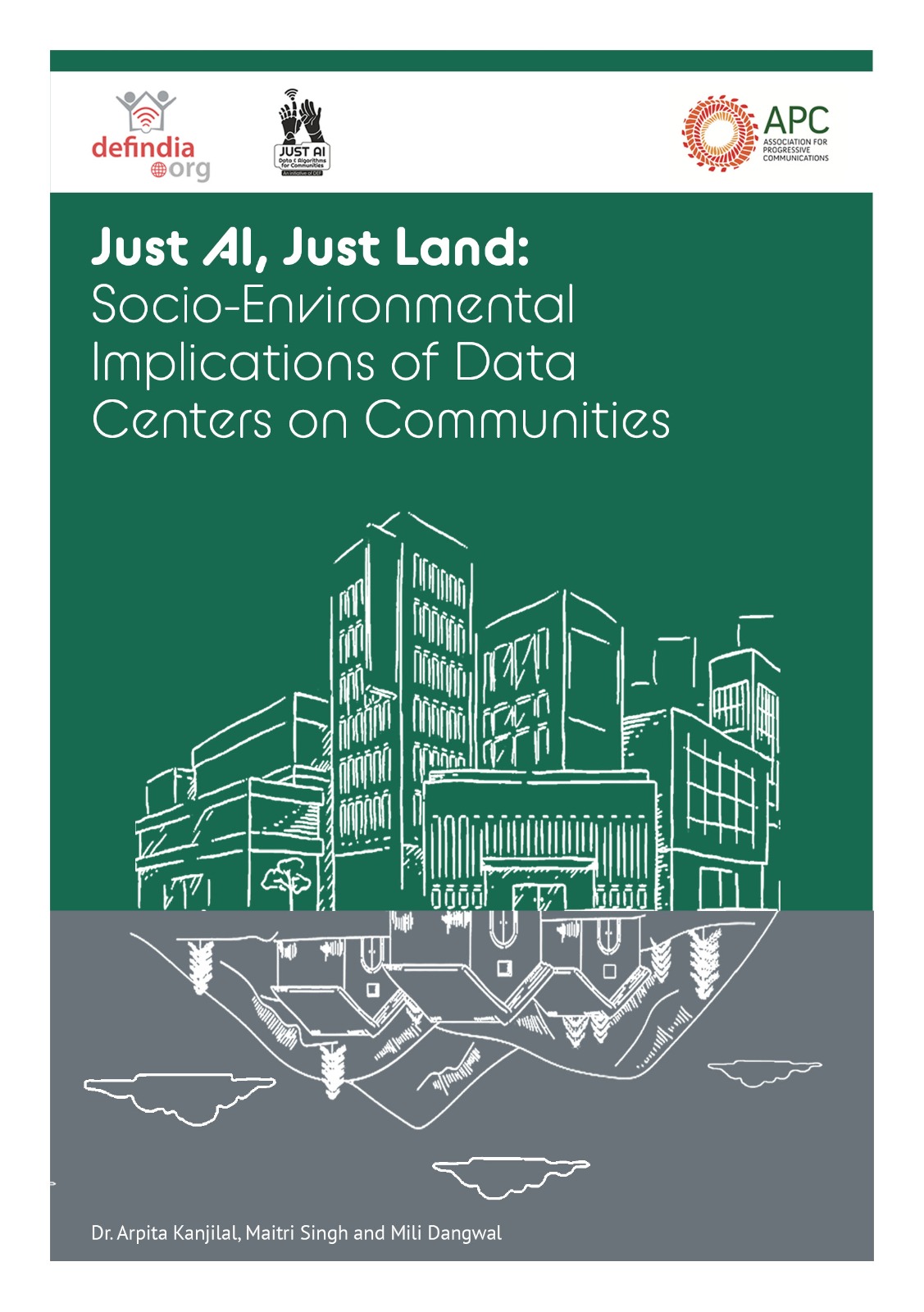
“The exponential energy, water, land and mineral footprint of AI infrastructure poses severe climate, ecological and livelihood risks, disproportionately affecting Global South communities.”
© Research by Digital Empowerment Foundation
How are governance gaps affecting your country, region, or sector?
DEF observed that governance gaps are already creating tangible harms across India and the broader Global South.
The submission highlighted:
- AI literacy and skilling gaps,
- welfare exclusions linked to biometric and automated failures,
- increasing AI-enabled surveillance,
- concentration of AI infrastructure among a few corporations,
- and weak safeguards against deepfakes and disinformation.
At the same time, DEF emphasized the potential of community-led and rights-based AI ecosystems rooted in grassroots digital infrastructure.
What role can the AI Dialogue play in advancing international cooperation on AI governance?
DEF argued that the Dialogue can become:
“a transformative multilateral platform, not merely a forum for declarations, but a catalyst for inclusive, equitable, and action-oriented international cooperation.”
The submission recommended that the Dialogue:
- bridge fragmented governance approaches,
- amplify Global South and grassroots voices,
- anchor governance in universal human rights principles,
- support South-South cooperation,
- and strengthen trust, accountability, and redress mechanisms.
What existing initiatives, partnerships, or mechanisms should the AI Dialogue build upon?
DEF recommended building upon:
- the Global Digital Compact (GDC),
- UNESCO’s Recommendation on the Ethics of AI,
- the Internet Governance Forum (IGF),
- ITU’s AI for Good initiative,
- OECD AI Principles,
- the Global Partnership on AI (GPAI),
- regional AI governance frameworks,
- and civil society coalitions such as APC and Access Now.
The submission emphasized that these frameworks should be complemented by stronger grassroots accountability and participation mechanisms.
How can different stakeholders contribute to the AI Dialogue?
DEF proposed a genuinely multistakeholder and participatory governance architecture.
The submission emphasized roles for:
- governments,
- UN agencies,
- civil society and community organisations
- academia,
- private sector actors,
- technical communities,
- and youth and Indigenous networks.
It also called for:
- multilingual and hybrid participation,
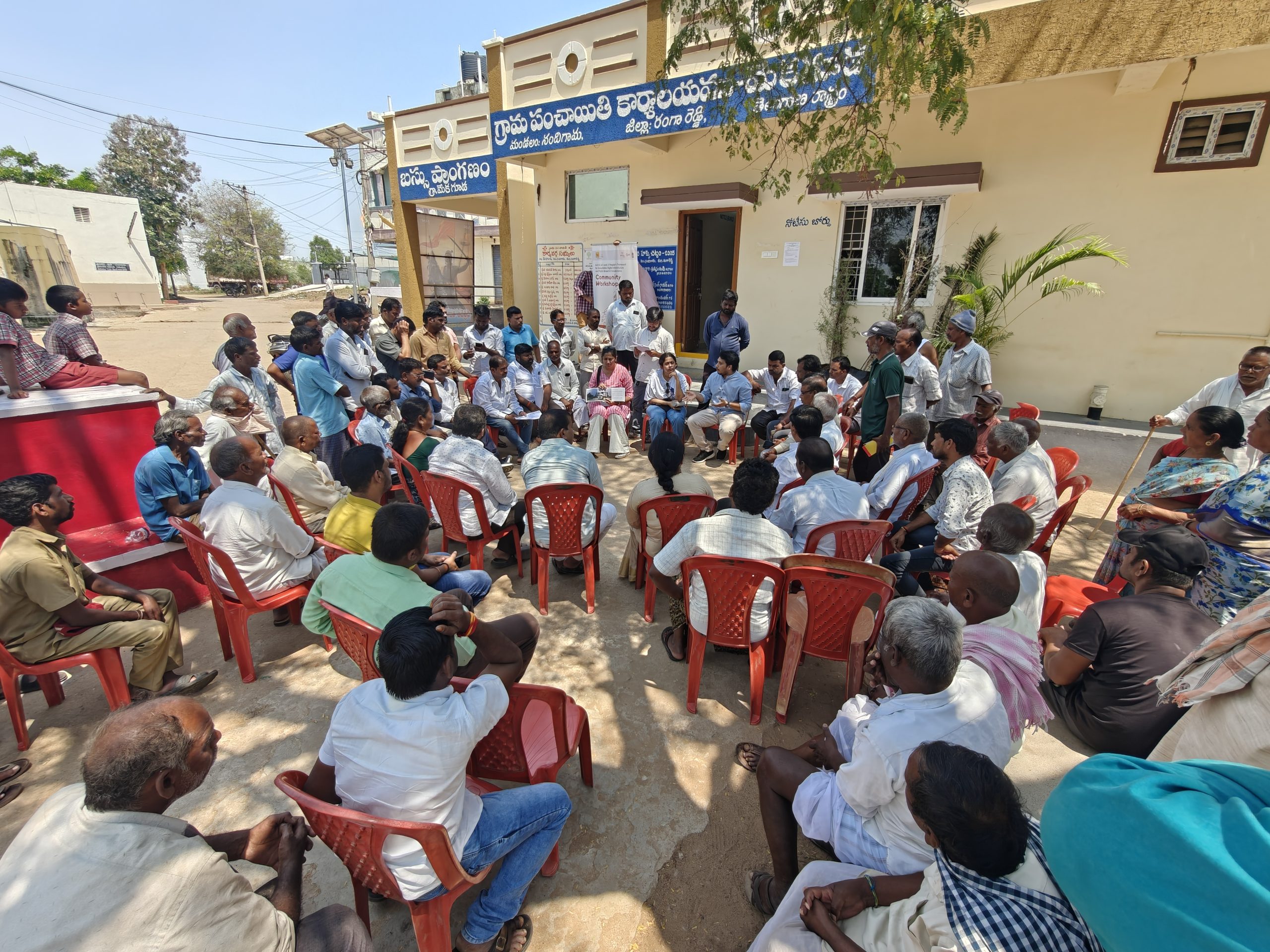
- regional, local and village-level consultations,
- thematic working groups,
- accessible participation systems,
- and dedicated funding for Global South participation.
Dialogue with Panchayati Raj Institution © Digital Empowerment Foundation
Which voices, communities, or perspectives are currently underrepresented in global AI governance discussions?
DEF observed that current AI governance conversations remain dominated by governments, corporations, and elite technical experts from the Global North.
The submission identified several underrepresented groups:
- rural and grassroots communities,
- gig and platform workers,
- Indigenous peoples,
- linguistic minorities,
- persons with disabilities,
- women and gender-diverse communities,
- Dalits and Adivasis,
- refugees and stateless persons,
- and frontline public service workers.
What innovative engagement formats could foster meaningful participation?
DEF argued that traditional diplomatic formats often marginalize grassroots voices and reduce participation to performative exchanges.
The submission proposed:
- community-led “reverse dialogues,”
- regional and local dialogue hubs,
- case-study-based consultations,
- multilingual storytelling formats,
- policy co-design labs,
- youth and intergenerational dialogue spaces,
- and open digital commons platforms.
Please share examples of policies, practices, or approaches that promote effective AI governance.
DEF highlighted several grassroots initiatives demonstrating practical approaches to inclusive and rights-based digital governance, including:
- Community Information Resource Centres (CIRCs),
- Soochnapreneurs,
- Samarth Soochnapreneur Program,
- Internet Roshni,
- Digital Clusters for Artisan Communities,
- Digital Didis,
- Wireless for Communities (W4C),
- and the Digital Citizen Summit (DCS).
The submission argued that these initiatives demonstrate how AI and digital governance can become more inclusive, accountable, and locally relevant when grounded in grassroots realities.
Just AI – Data & Algorithms for Communities
DEF’s submission aligns closely with its broader initiative: Just AI – Data & Algorithms for Communities. The initiative seeks to democratize AI governance by ensuring that communities most affected by datafication, algorithmic systems, and digital exclusion actively shape AI futures.
© Virtues of AI by Osama Manzar
“Just AI” approaches AI governance not only as a technical issue, but also as a question of:
- social justice,
- rights,
- representation,
- accessibility,
- and democratic participation.
The initiative focuses on:
- grassroots AI literacy,
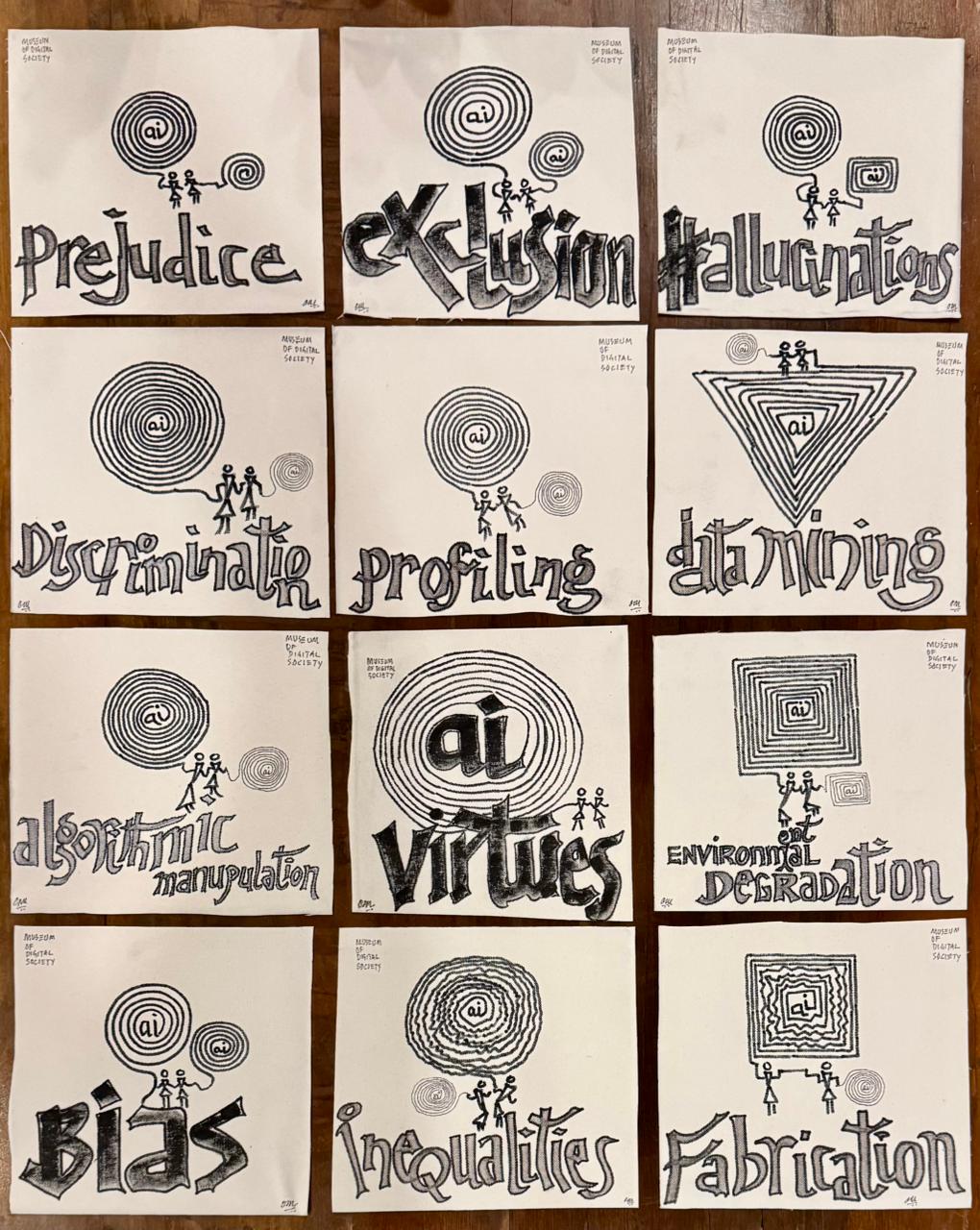
- awareness of algorithmic harms,
- participatory approaches to data governance,
- localized and low-resource language inclusion,
- and community-centered digital ecosystems.
Drawing from DEF’s grassroots infrastructure, including Community Information Resource Centres (CIRCs), Soochnapreneurs, Digital Didis, Wireless for Communities (W4C), and the Digital Citizen Summit (DCS), the initiative works toward building more equitable and accountable digital futures.
At its core, “Just AI” asks:
“What would AI governance look like if communities, rather than corporations alone, shaped the future of data and algorithms?”
Through this initiative, DEF continues to advocate for AI systems that are:
- inclusive,
- rights-based,
- transparent,
- accountable,
- and grounded in the lived realities of communities at the last mile.