


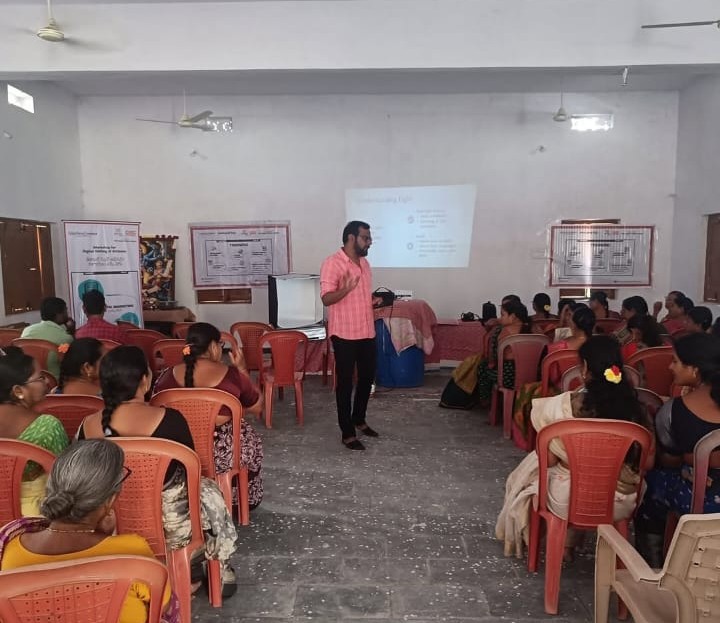
In Telangana, Ikat weavers have long been custodians of a rich craft tradition, creating textiles that carry culture, identity, and generations of skill. Yet, like many artisan communities, their access to markets has remained limited, often mediated by middlemen and constrained by geography.
Today, that is beginning to shift.
Through targeted digital training, these artisans are not just learning tools, they are entering the digital marketplace as entrepreneurs. Platforms like WhatsApp, Instagram, and YouTube are becoming more than communication channels; they are gateways to direct market access, brand building, and customer relationships.
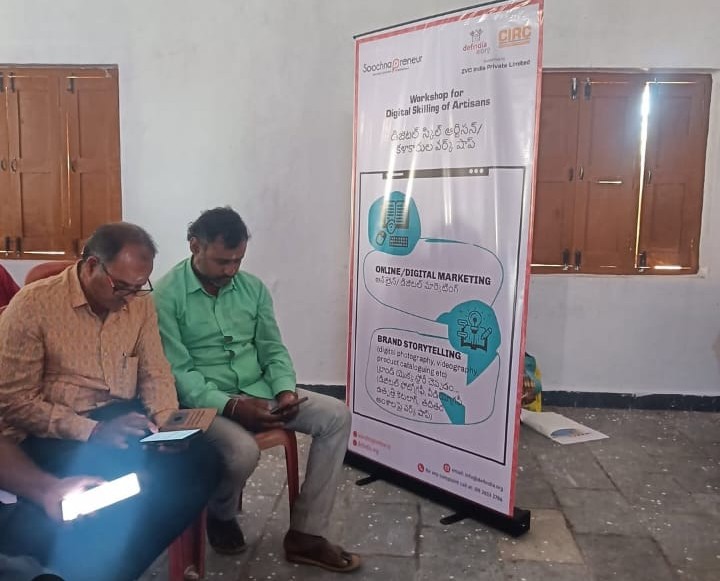
This transition reflects a larger shift within the social enterprise ecosystem, where technology is enabling:
- Disintermediation: Reducing reliance on middle layers and increasing direct-to-consumer engagement
- Value capture: Allowing artisans to retain a greater share of the economic value they create
- Story-driven commerce: Positioning authenticity, heritage, and craft narratives as market strengths
- Market diversification: Expanding beyond local demand to regional, national, and even global audiences
At the same time, this is not just a market story, it is a social impact pathway. Digital inclusion here translates into:
- Strengthened rural livelihoods
- Increased economic agency, especially for artisan communities
- Preservation of intangible cultural heritage through sustainable demand
- Participation in a growing digital economy on more equitable terms
What we are witnessing is the intersection of digital empowerment and social enterprise, where artisans are not just producers but active market participants, brand owners, and storytellers.
This is what inclusive digital transformation can look like:
Not just access to technology, but access to opportunity, ownership, and dignity.
Handwoven heritage. Digitally enabled markets. Social impact at scale.