


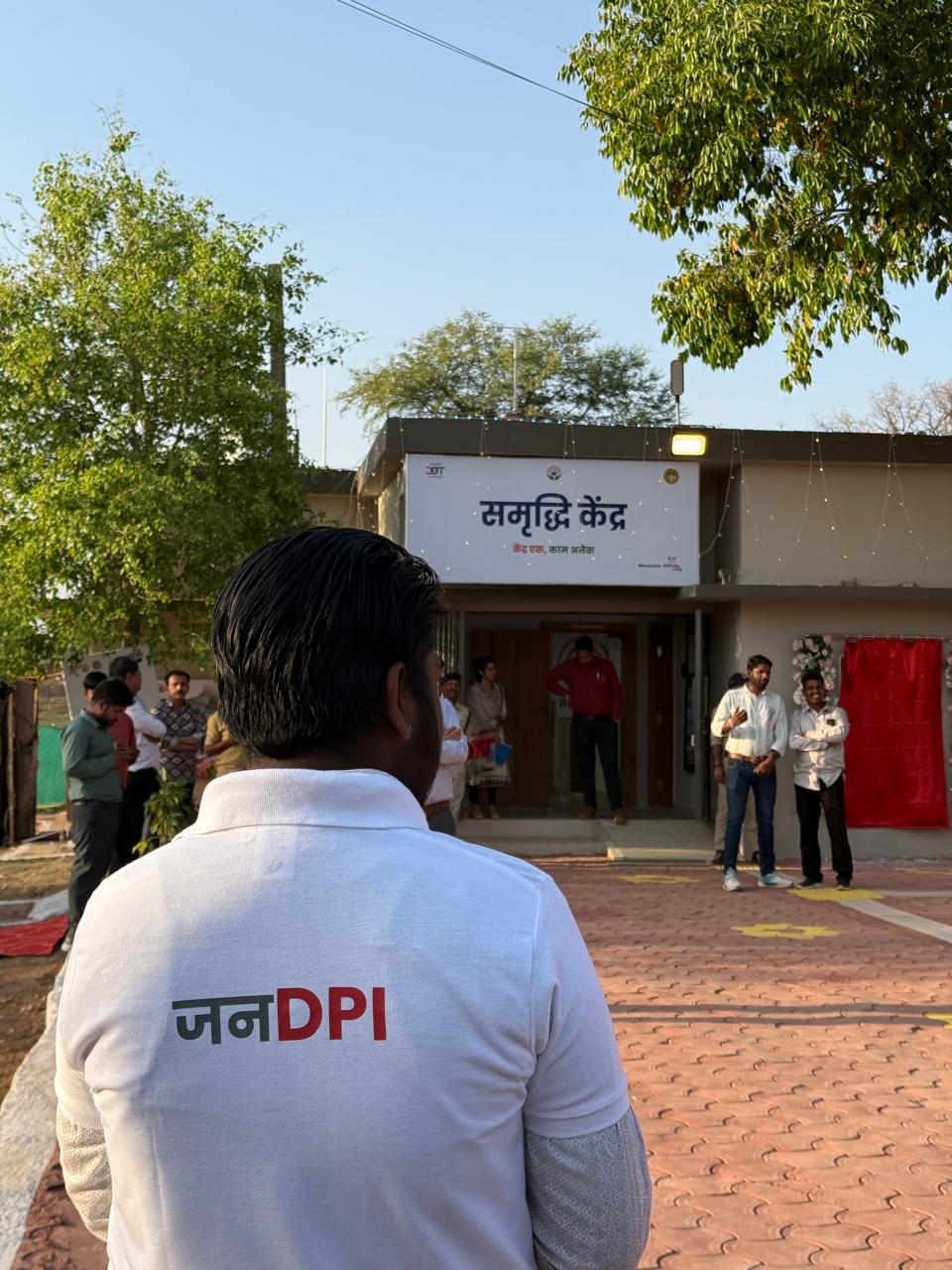
The Digital Empowerment Foundation, in partnership with the Department of Telecommunications (DoT), Government of India, inaugurated Samriddhi Kendra in Umri Village, Guna District, Madhya Pradesh, in the presence of Shri Jyotiraditya M. Scindia, Union Minister for Communications and Development of the North Eastern Region. More than a ceremonial launch, the initiative represents a critical step toward reimagining how digital infrastructure can be designed to serve communities at the last mile.
During the visit, the Hon’ble Minister engaged with children in their digital literacy classroom, witnessing firsthand how access to technology is enabling young learners to build essential skills for the future. The experience extended beyond classrooms, offering a glimpse into an emerging rural technology ecosystem—where tools like virtual reality are enhancing learning, drone technologies are supporting agricultural practices, and locally embedded service delivery models are creating new opportunities for entrepreneurship and livelihoods.
What makes Umri Village significant is not just the presence of technology, but the way it is integrated into everyday life. As Digital Empowerment Foundation’s first people-centric, DPI-enabled village, it demonstrates that infrastructure alone is not enough—its true value lies in how it is localized, made accessible, and driven by the community itself. By placing local entrepreneurs at the center of service delivery, the model ensures that connectivity translates into meaningful use, ownership, and sustainability.
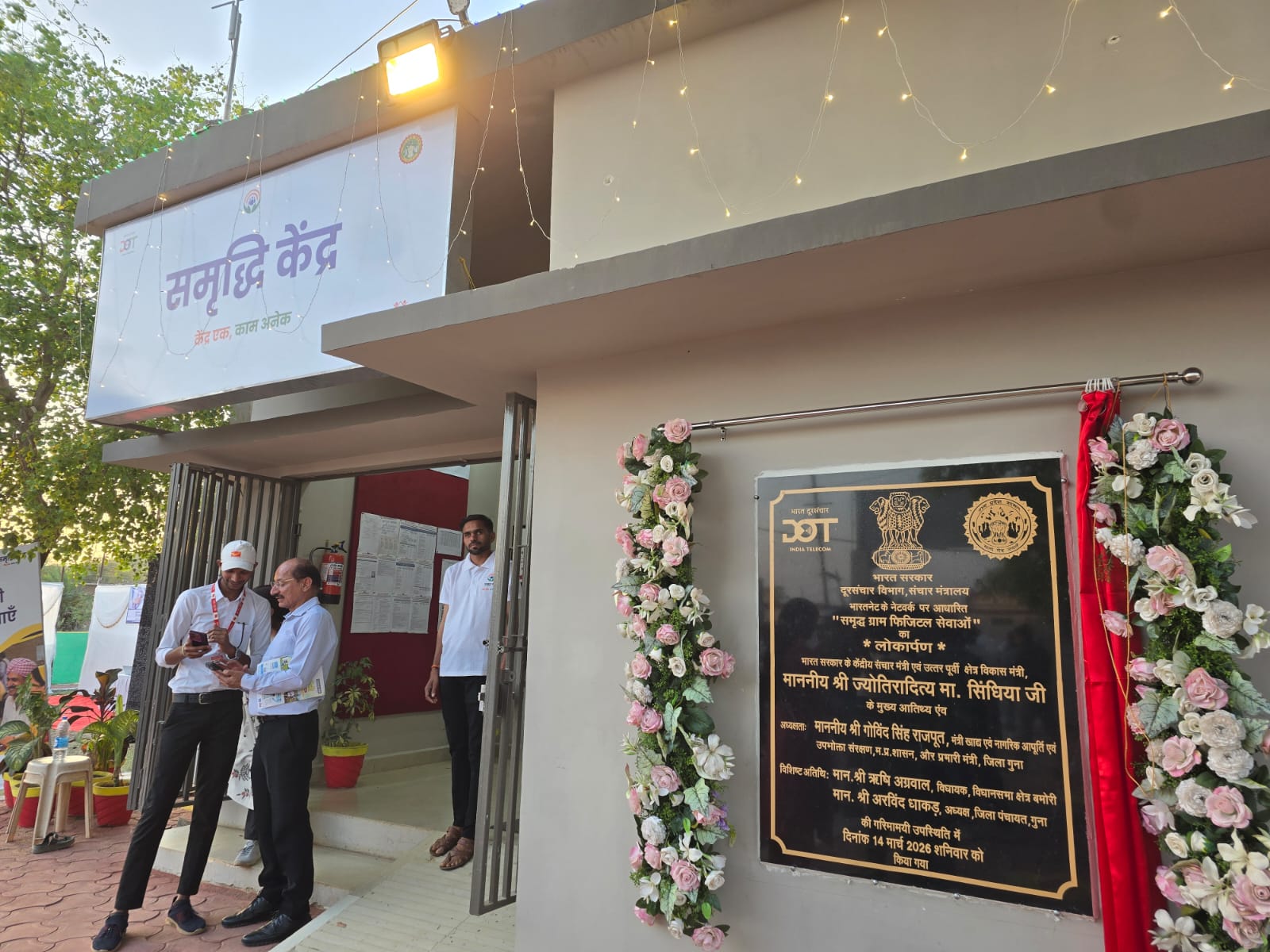
At the heart of this transformation is the Samriddhi Kendra, a one-stop hub that brings together a range of essential services under a single, accessible platform. From education and skilling to agriculture advisory, telemedicine, e-governance, financial inclusion, e-commerce, and digital connectivity, the Kendra acts as a bridge between systems and citizens. It reduces the distance—both physical and digital—between rural communities and the services they need, enabling timely access and informed decision-making.
This initiative underscores a broader truth: the real promise of digital transformation lies not in high-speed networks or advanced technologies alone, but in their ability to reach and empower the last mile. When infrastructure is designed with people at its core, it becomes more than a network—it becomes a pathway to inclusion, resilience, and opportunity. Umri’s journey offers a compelling example of how thoughtfully deployed digital public infrastructure can reshape rural realities, ensuring that no community remains disconnected from the possibilities of the digital age.